Эмоции являются кратковременными, интенсивными реакциями на конкретные события или стимулы.
Эмоциональные состояния представляют собой более длительные и устойчивые состояния, которые могут включать в себя набор эмоций и общее настроение человека в течение определенного периода.
Эмоции могут влиять на эмоциональные состояния, а продолжительное эмоциональное состояние может быть результатом повторяющихся или интенсивных эмоций. Например, постоянное чувство тревоги (эмоциональное состояние) может возникнуть из-за частых переживаний страха (эмоция).
1. Эмоциональные состояния и их характеристики
Физиологические основы эмоциональных состояний включают в себя сложные взаимодействия между нервной и эндокринной системой, различными органами и тканями. Эмоции формируются и регулируются в головном мозге, особенно в лимбической системе, которая включает такие структуры, как миндалевидное тело, гиппокамп и гипоталамус.
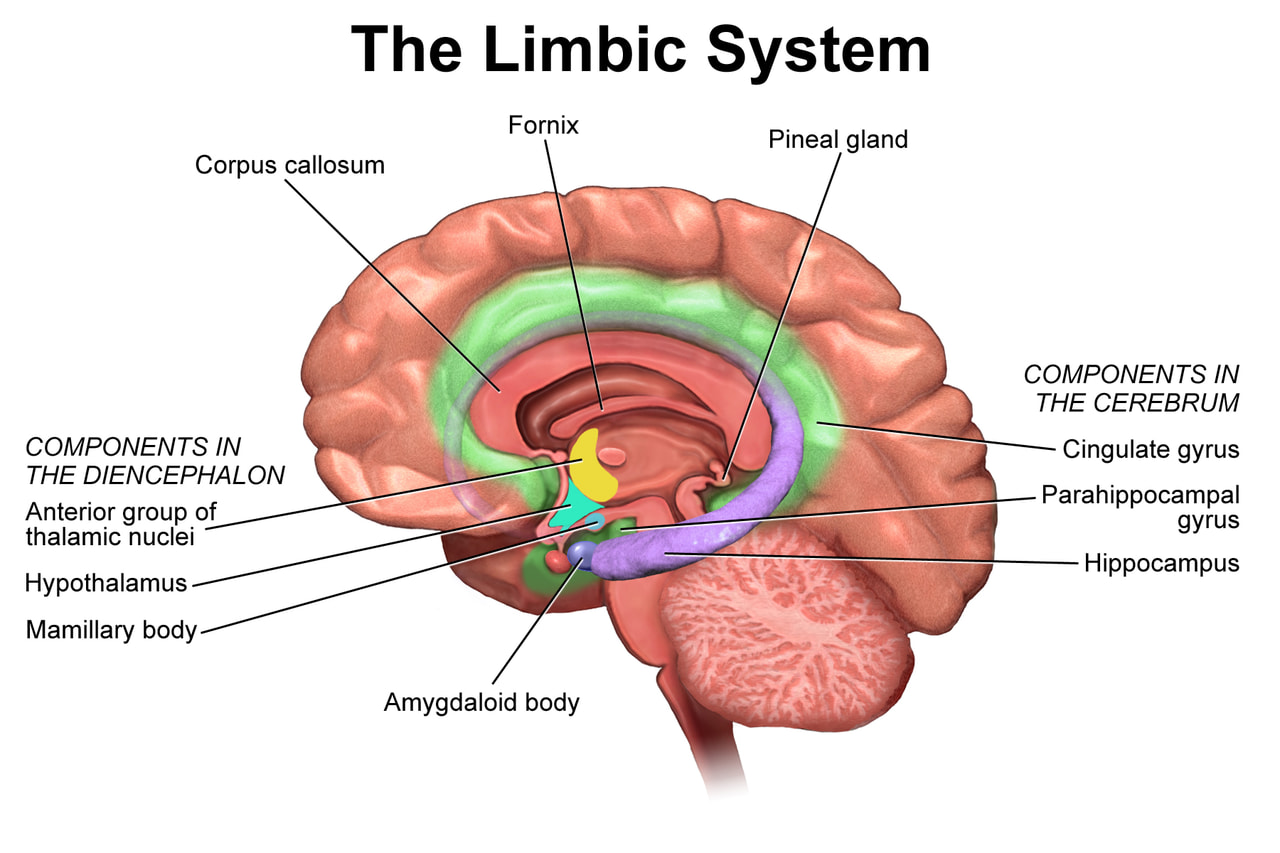
Миндалевидное тело (amygdalid body на фото) отвечает за распознавание эмоциональных стимулов, а гипоталамус регулирует физиологические реакции на эмоции и состояния.
Эмоции сопровождаются выбросом различных гормонов:
- Адреналин и норадреналин (участвуют в реакции на стресс, повышая уровень энергии и готовность к действию).
- Кортизол (гормон стресса, который выделяется при длительном стрессе и может влиять на настроение и общее состояние здоровья).
- Серотонин (связан с настроением и эмоциональным состоянием; низкий уровень серотонина может привести к депрессии).
- Дофамин (участвует в системе вознаграждения мозга и влияет на чувство удовольствия и мотивацию).
Эмоциональные состояния могут вызывать различные физиологические изменения:
- В сердечно-сосудистой системе: увеличение частоты сердечных сокращений и повышение артериального давления при страхе или тревоге.
- Респираторные: ускорение дыхания при сильных эмоциях (страх, возбуждение).
- Мышечные: напряжение мышц, которое может быть вызвано стрессом или тревогой.
- Кожные: потливость или изменение температуры кожи могут быть связаны с эмоциональными состояниями.
2. Классификация эмоциональных состояний
-
Настроение. Подробнее здесь.
-
Стресс
-
Аффект характеризуется внезапностью, кратковременностью и сильной внешней выраженностью. Аффект возникает в ответ на внешние стимулы или события и влияет на поведение человека.
Аффект затмевает другие эмоциональные состояния. Он начинается быстро и заканчивается так же быстро. При этом человек, переживающий аффект, как правило, не помнит, что с ним происходило. Или эти воспоминания носят отрывочный характер. Аффект не подразумевает обдуманных действий. Любые поведенческие проявления в этот момент у человека происходят спонтанно.
Аффект может быть как положительным (например, сильная радость или восторг при получении хороших новостей), так и отрицательным (например, гнев, страх или паника в ситуации угрозы). Описываемое эмоциональное состояние связано с другими психическими состояниями, например, с настроением или чувствами. Но аффект более спонтанен, он ярче проявляется и его сложней контролировать.
-
Страсть является интенсивным и глубоким эмоциональным состоянием, которое характеризуется сильной привязанностью, увлеченностью или желанием. Страсть часто сопровождается яркими эмоциональными проявлениями. Она также бывает положительной (например, увлеченность любимым делом) или отрицательной (например, страсть и ревность в отношении другого человека, одержимость идеей). В отличие от аффекта страсть может сохраняться на протяжении многих лет.
Страсть можно разделить на следующие виды:
- Романтическая страсть (сильное влечение к другому человеку, которое может проявляться в любви и сексуальном желании).
- Страсть к деятельности (увлечение хобби или профессией, когда человек полностью погружается в то, что он делает).
- Страсть к идеям (например, увлеченность научными исследованиями или социально-политическими, религиозными и др. движениями и концепциями).
-
Тревога и паника являются эмоциональными состояниями, которые могут возникать в ответ на стрессовые ситуации или внутренние переживания. При этом тревога определяется как чувство беспокойства или напряженности, связанное с ожиданием негативного происшествия. Тревога является хроническим (постоянным) состоянием.
В свою очередь, паника – это более интенсивное и краткосрочное состояние в сравнении с тревогой. Она может возникнуть внезапно, без видимых причин. Часто паника сопровождается ощущением потери контроля.Также два этих состояния могут наступать друг за другом: тревога может предшествовать панике. Например, если у человека постоянно наблюдается повышенная тревожность, то это повышает риски возникновения панических атак при определенных стрессовых ситуациях (ситуации-триггеры в данном случае всегда индивидуальны).
-
Горе является глубоким эмоциональным состоянием, которое может возникнуть в результате потери близкого человека или может быть связано с иными тяжелыми жизненными обстоятельствами (например, потеря работы или дома, вынужденный переезд и т. п.). Горе является естественной реакцией на утрату. Это состояние включает в себя широкий спектр переживаний: печаль, гнев, вина, страх, облегчение и т. п..
Стадии переживания горя по Э. Кюблер-Росс:
- Отрицание (невозможность принять реальность утраты).
- Гнев (недовольство или злость на себя, других, умершего или обстоятельства).
- Торг (попытка изменить ситуацию или вернуть утраченное через «если бы только…»).
- Депрессия (острое горе, отчаяние, глубокая печаль и ощущение безнадежности).
- Принятие (принятие утраты и начало адаптации к новой реальности).
Депрессия является сложным и многогранным эмоциональным состоянием, которое характеризуется стойким чувством грусти и печали, утратой интереса к жизни. Данное состояние может длиться недели, месяцы или даже годы, и оно необязательно будет связано с какими-либо конкретными обстоятельствами или событиями.
Депрессивное состояние включает в себя утрату сил, нарушение внимания, аппетита и сна, чувство безнадежности или бесполезности. Это состояние сильно влияет на повседневную жизнь человека, затрудняя выполнение его обычных задач и дел.
Среди причин депрессии обычно выделяют следующие:
- Генетическая предрасположенность.
- Биохимические изменения (нарушения в работе нейромедиаторов – серотонина, дофамина, норадреналина).
- Личностные черты и особенности (низкая самооценка, склонность к негативному мышлению и т. д.).
- Стрессовые события (потеря близкого человека, развод, финансовые проблемы и т. д.).
- Хронические заболевания.
Вина
Испытывая чувство вины, человек считает, что его действия или бездействие привели к негативным последствиям для него самого или других. Часто вина связана с нарушением этических или моральных норм. Данное состояние может вызывать следующие переживания – печаль, тревогу, беспокойство, стыд и др.
Вина может побудить человека к действиям, направленным на исправление сложившейся ситуации. С этой точки зрения вина является конструктивной. Она позволяет корректировать взаимоотношения с другими людьми, улучшать их.
Счастье, эйфория
Счастье и эйфория являются положительными эмоциональными состояниями. При этом счастье определяется как устойчивое и глубокое состояние, которое связано с удовлетворенностью жизнью, ощущением гармонии и благополучия. Данное состояние чаще всего является долгосрочным (не путать с эмоцией радости, которая характеризуется кратковременностью).
3. Эмоции и их характеристики
Эмоции проявляются как через поведенческие реакции, так и через невербальные сигналы (мимика, жесты, тон голоса) и выполняют ряд важных функций:
- Коммуникация.
Эмоции служат средством невербальной коммуникации. Выражение эмоций через мимику и жесты помогает людям точнее передавать свои чувства и намерения, а также лучше понимать эмоции других. - Регуляция поведения.
Эмоции могут направлять поведение человека. Например, страх может заставить его избегать опасных ситуаций, а радость может побудить искать социальные взаимодействия. - Принятие решений.
Эмоции помогают оценивать последствия различных вариантов решения. Здесь человек ориентируется на собственную эмоциональную реакцию, делая прогноз, что он может ощущать при том или ином развитии событий. - Адаптация к окружающей среде.
Эмоции помогают адаптироваться к изменениям в окружающей среде. Например, тревога может сигнализировать о потенциальной угрозе, это побудит человека принять меры для своей защиты. - Мотивация.
Эмоции способны сильно мотивировать человека на действия. Позитивные эмоции, например, радость и интерес, могут побудить к повторению определенных действий, чтобы эти позитивные эмоции закрепились. Негативные эмоции могут служить сигналами для изменения поведения. - Когнитивная обработка.
Эмоции влияют на восприятие информации и ее обработку. Они могут усиливать внимание к определенным аспектам ситуации и способствовать запоминанию значимых событий, от которых человек получил позитивный эмоциональный отклик.
4. Классификация эмоций
Эмоции можно разделить на базовые и производные.
Базовые эмоции являются первичными и наиболее универсальными. Они присутствуют у людей всех культур и национальностей и появляются в ответ на определенные стимулы. Базовые эмоции имеют биологическую основу и связаны с выживанием человека. При этом невербальные проявления базовых эмоций тоже являются стандартными и универсальными у всех людей.
Выделяются следующие базовые эмоции:
-
Радость – положительная эмоция, возникающая как реакция на приятные события. Она связана с чувством удовлетворения, счастья и благополучия, которое может проявляться и физически, и эмоционально.
Радость вызывает физиологические изменения в организме, например, с радостью повышается уровень серотонина и дофамина, что способствует улучшению настроения и общего самочувствия. -
Грусть является негативной эмоцией, которую человек испытывает при утрате или разочаровании. Интенсивность грусти может варьироваться от легкого недовольства до глубокой депрессии. Грусть также может сопровождаться физическими проявлениями, такими как слезы, снижение уровня энергии, изменения в аппетите и сне.
-
Страх – это эмоциональная реакция на угрозу или опасность (реальную или мнимую). Он помогает человеку каким-либо образом справиться с этой угрозой и избежать рисков. Страх бывает кратковременным (острым) или длительным (хроническим).
Страх часто сопровождается такими физическими изменениями, как учащенное сердцебиение, потоотделение, учащенное дыхание и напряжение мышц.
Эти физические изменения возникает как инстинктивная реакция на опасность (например, при встрече с диким животным). При этом негативный опыт в прошлом может вызвать страх в аналогичных ситуациях.Некоторые страхи могут перерастать в фобии – иррациональные, чрезмерные, постоянные и устойчивые страхи перед конкретными объектами или ситуациями (например, арахнофобия – устойчивая боязнь пауков). Фобии и тревога могут стать причиной развития невротического расстройства.
-
Гнев представляет собой реакцию на несправедливость или фрустрацию, которая побуждает человека защищать свои интересы, отстаивать границы. «Гнев может варьироваться от легкого раздражения до интенсивной ярости. Физически он обычно сопровождается учащенным сердцебиением, повышением давления, напряжением мышц и изменением дыхания.
Это переживание может служить защитным механизмом, помогая человеку отстоять свои интересы и границы». Однако постоянный и неконтролируемый гнев может привести к конфликтам, ухудшению отношений и к проблемам со здоровьем (например, сердечно-сосудистым заболеваниям).
-
Отвращение возникает в ответ на неприятные или угрожающие стимулы, которые отталкивают и вызывают чувство неприязни, обусловленное чувством самосохранения. Например, испорченная еда может вызывать отвращение. Так организм дает знать человеку, что эту еду есть не стоит, так как это чревато отравлением.
Также социальные нормы и культурные установки могут влиять на то, что вызывает у человека отвращение. То, что считается отвратительным в одной культуре, может быть приемлемым в другой. Например, поедание жучков в азиатских странах считается привычным делом, в то время как в России в большинстве своем вызывает отвращение.
-
Удивление — реакция на неожиданное событие, которое может быть как положительным, так и отрицательным. Часто удивление может быть вызвано контрастом между ожидаемым и реальным. Например, человек удивляется, когда видит что-то, что слишком неожиданно для его представлений, не вписывается в них или им противоречит.
Удивление часто сопровождается яркими невербальными проявлениями. Человек в удивлении бессознательно может поднять брови, открыть рот, поднять руки и т. д. Также описываемое переживание часто сопровождается учащенным сердцебиением, расширением зрачков и изменением дыхания.
Производные эмоции уже не являются универсальными для всех. Они часто зависят от конкретного контекста, личного опыта и культурных факторов:
- Сожаление (сочетание грусти и разочарования по поводу упущенной возможности).
- Зависть (негативное переживание, возникающее при сравнении себя с другими и желании иметь то, что есть у них).
- Стыд (социально обусловленное ощущение неловкости за свои действия и недостатки) и др.